
Why Summer Is the Busiest Season for Gravel Delivery and What to Plan Ahead
June 4, 2026
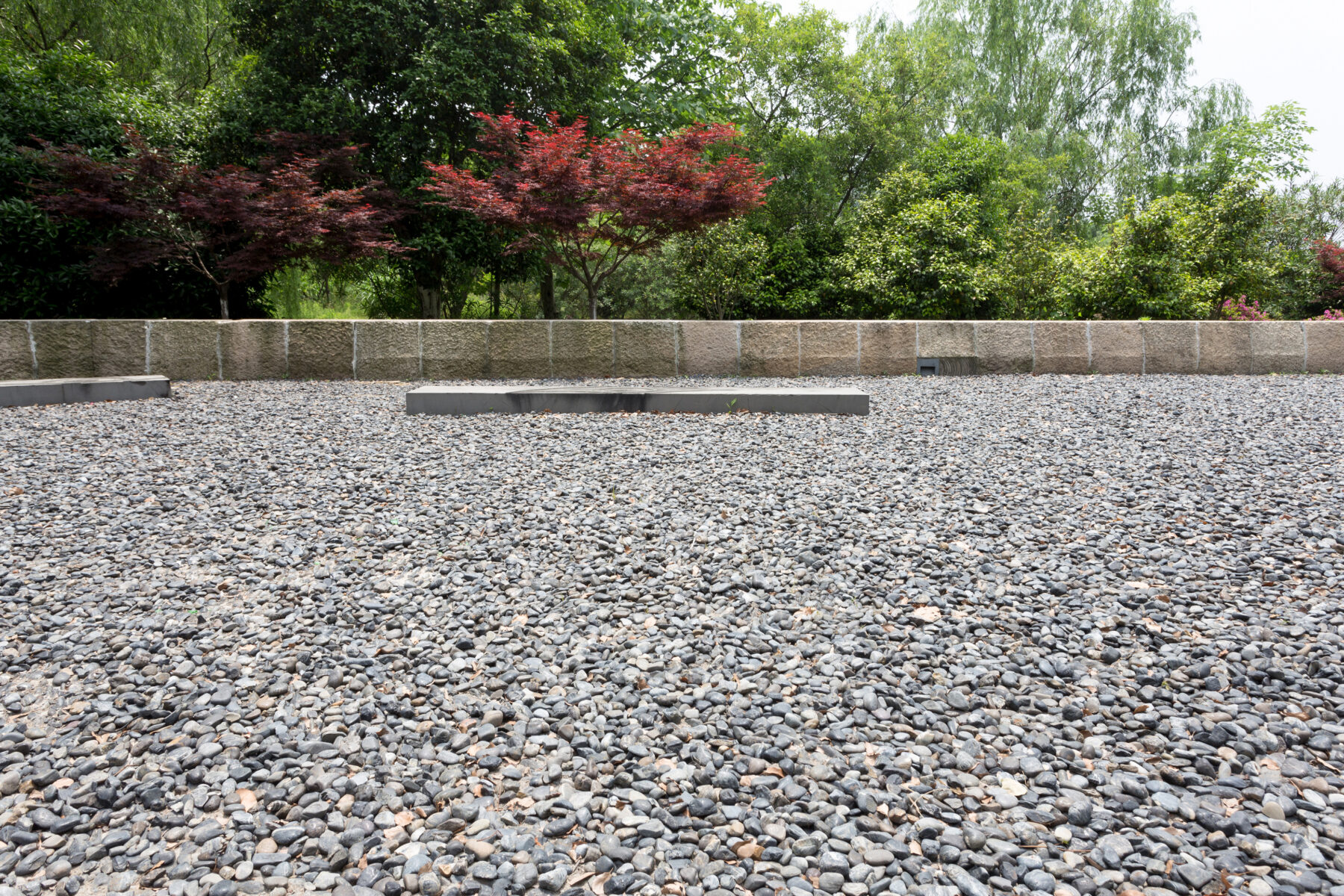
Dry hauling roads and long stretches of clear weather turn summer into the heaviest stretch of the year for aggregate movement across the Columbia Basin. Crushed rock, washed sand, drain rock, and quarry spalls all flow out of pits at higher daily volumes between June and September because conditions stay steady for trucks and loaders. Demand stacks up from highway repaving, ag pad work, irrigation infrastructure, and residential landscaping all running at the same time. With that backdrop in mind, a gravel order placed early helps ease the hectic nature of the busy dispatch season.
What Drives the Summer Surge in Gravel Demand
Once the ground firms up after spring rains, entire categories of construction shift into the summer calendar. Heavy compaction work, pipeline bedding, road base placement, and asphalt prep all run smoother as moisture content in the aggregate drops to predictable levels. Crews lean on washed concrete sand and WSDOT crushed products through these months because the material behaves consistently under repeated loading and rolling, which matters when fill and base layers need to lock together without rework.
Agriculture adds its own pull on the pits. Vineyard rows, orchard service roads, dairy lanes, and equipment yards across the Basin all see fresh gravel placement as the ground warms. Quarry spalls and crushed surfacing material handle wheel loads from tractors and tankers while shedding water away from softer subsoil, which is why ag operations time gravel delivery to dovetail with planting and harvest cycles rather than competing against them.
Beyond the ag pull, residential and commercial scope drives more pit hours. Driveway resurfacing, French drain installations, retaining wall backfill, and landscape rock for hardscape projects all hit their peak between Memorial Day and Labor Day. With every category drawing from the same crushers and the same trucks, the dispatch board fills out fast, which is the reason aggregate suppliers across Southeastern Washington and Northeastern Oregon run extended shifts through the warm months.
How Gravel Behaves Differently in Summer Conditions
Material handling shifts in subtle ways once temperatures climb. Aggregate stockpiles dry out and fines lift on the wind, while moisture content swings more between morning and afternoon loads, which affects compaction calculations on site. Specifying a washed product or a graded WSDOT mix gives the contractor a sharper read on how the material will settle and bond into the lift below.
On the road side, truck schedules feel the heat too. Cycle times tighten because pits stay open longer, but afternoon traffic along I-82 and the river corridor stretches out delivery windows for larger jobs. An early-day slot, booked before heat and congestion compound, often gets the load onto the site closer to spec timing.
Practical Steps to Plan a Gravel Order Through Summer
Lead time is the first variable to manage. Two to three weeks ahead of placement gives the dispatcher room to slot a haul into a route that already runs near the project, which trims wasted truck miles and lowers the risk of a missed window during peak crusher output.
Right behind lead time, spec clarity earns the same planning attention. The pit the load comes from depends on whether the project calls for a 5/8 minus crushed surfacing, a 1.5 inch drain rock, an ASTM concrete sand, or a quarry spall. Communicating that detail at quote time keeps the right material on the right truck instead of a substitution that needs reworking later.
Site readiness rounds out the planning at the receiving end. A clear truck path and a defined dump zone, plus someone on site to direct end dumps or transfers, cuts truck wait time and keeps the next load on schedule. Coordinating gravel delivery alongside ready mix concrete or asphalt pours also matters, since a single dispatch team often runs more than one of those at once.
Set the Summer Schedule Up for a Smooth Pour
Through peak season, projects that lock in aggregate orders early move through pit and hauling rhythms with less friction. A short call with a local supplier ahead of placement opens up better delivery windows along with cleaner spec matching for the rest of the schedule.
American Rock Products keeps pits and plants running through the summer rush across the Columbia Basin, supporting aggregate scheduling alongside ready mix and asphalt delivery from base course to final lift. Reach out to schedule a load or talk through a project’s material plan.