
Why Proper Site Grading Matters More Than the Concrete Pour
May 8, 2026
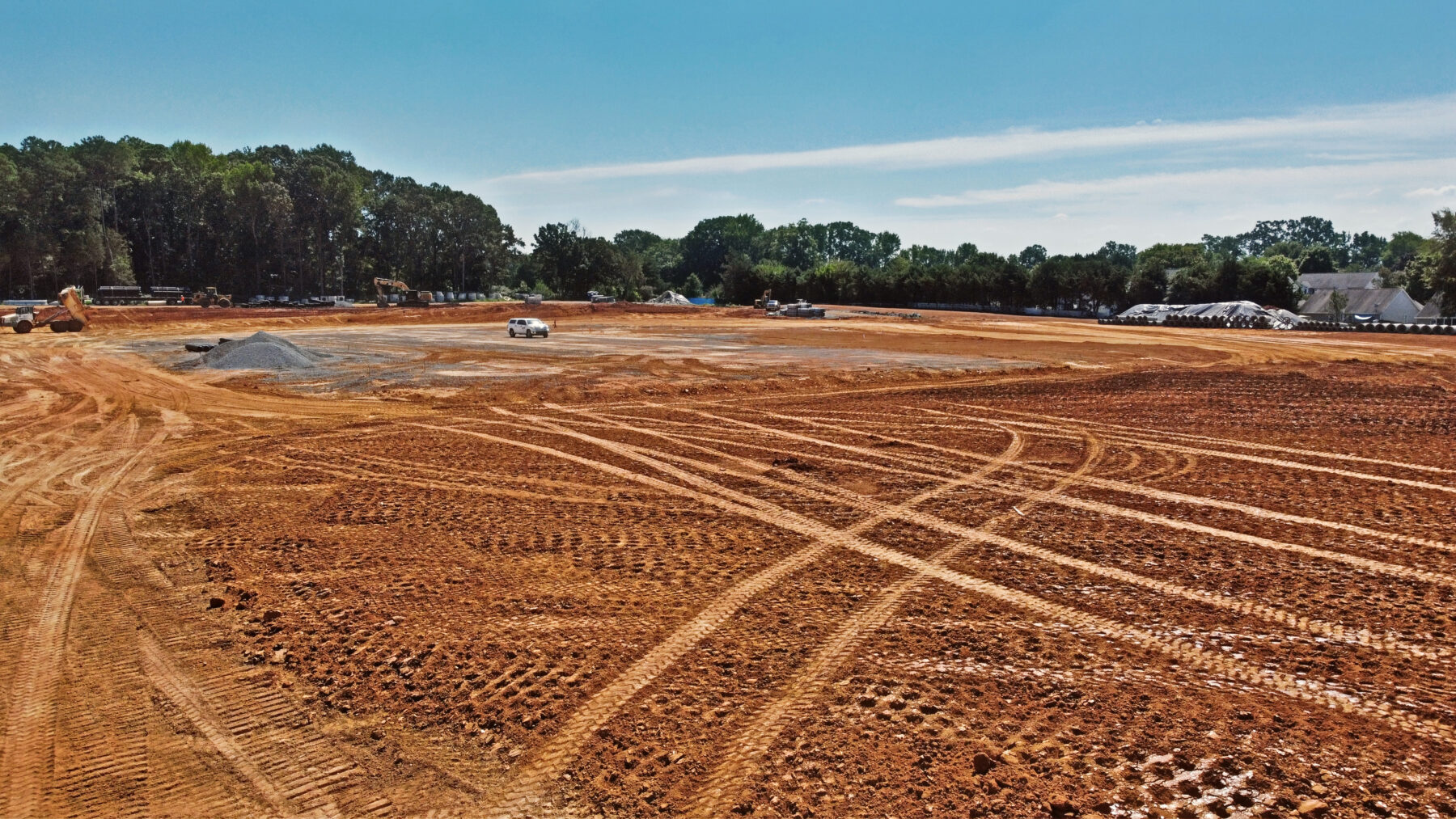
Soil conditions begin shaping slab behavior well before ready mix concrete reaches the forms. Grading determines how the ground carries structural weight and how moisture travels across the site. Elevation changes, soil preparation, and base material placement shape the surface that will support the slab. When these conditions are set correctly, the concrete placement rests on ground prepared to handle structural demand rather than resist it.
Concrete placement often receives the most attention during construction, yet the ground beneath the slab dictates how the finished surface responds once the pour is complete. Grading establishes drainage paths, soil density, and base alignment before concrete trucks arrive on site. Those early adjustments determine how the slab settles and how loads move through the concrete and into the soil below.
Directing Water Away from the Slab
Rainfall and irrigation water naturally move toward the lowest points across a job site. Without proper grading, moisture collects beneath slabs and paved areas where soil remains trapped under hardened concrete. Saturated soil begins to soften and shift, creating uneven pressure zones beneath the slab.
Shaping the ground with controlled slopes moves runoff away from structural surfaces. Small elevation adjustments guide water toward drainage routes where it can exit the site without pooling near the slab. Redirecting surface water prevents subsurface saturation that would otherwise destabilize the soil supporting the concrete.
Cold climates introduce additional pressure when trapped moisture freezes beneath the slab. Expanding ice pushes upward against the concrete surface and creates internal stress within the slab structure. Moving water away from the slab perimeter reduces that upward pressure before the concrete ever cures.
Creating a Consistent Subgrade
Heavy equipment traffic and excavation disturb soil density across most construction sites. Some sections become tightly compacted while others remain loose and prone to compression. Grading corrects these inconsistencies by cutting high areas, filling low sections, and compacting the soil to produce a consistent subgrade.
Compaction equipment presses soil particles closer together, reducing the air pockets that allow soil to shift under load. Once the soil reaches the proper density, weight from the slab spreads evenly across the ground below. Areas of loose soil compress more easily, which can create localized stress points across the concrete surface.
A level subgrade also supports uniform concrete placement. Ready mix entering the forms settles onto a stable base, preventing sections of the slab from dropping or shifting during curing. Maintaining that alignment keeps the finished surface consistent with the intended slab elevation.
Reinforcing the Base with Aggregates
Soil rarely forms the ideal surface for carrying concrete loads on its own. Changes in moisture levels and seasonal temperature shifts alter how soil behaves beneath a slab. A properly graded site introduces an aggregate base layer between the soil and the concrete to stabilize this transition zone.
Crushed stone or gravel spreads structural load across a wider area beneath the slab. Each particle interlocks with neighboring material, forming a dense layer that resists movement when pressure transfers through the concrete above. This stone base distributes weight more evenly than soil alone.
Drainage also improves within this layer. Water moving through the soil flows into the open spaces between the stone particles rather than collecting against the concrete surface. That path allows moisture to drain away while keeping the supporting soil from becoming saturated.
Preparing the Surface for Ready Mix Placement
Formwork alignment and slab thickness depend on the consistency of the graded surface. Uneven grading forces crews to adjust form heights or increase concrete thickness in certain sections. Those adjustments change how weight travels through the slab and increase the amount of concrete required during placement.
A properly graded base matches the elevation specified in the construction plan. When ready mix concrete enters the forms, it fills the space evenly and maintains consistent slab depth across the entire placement area. Uniform thickness spreads structural loads evenly into the ground below.
Placement crews also work more efficiently when grading has been executed with precision. Attention remains on consolidating, finishing, and curing the concrete instead of correcting irregular ground conditions during the pour.
Preparing the site through careful grading creates the conditions required for ready mix concrete to perform as intended. When soil structure, slope, and aggregate base layers work together beneath the slab, the finished concrete surface maintains alignment and stability under repeated loading and environmental exposure.