
DIY Concrete Planters for Your Backyard
March 10, 2026
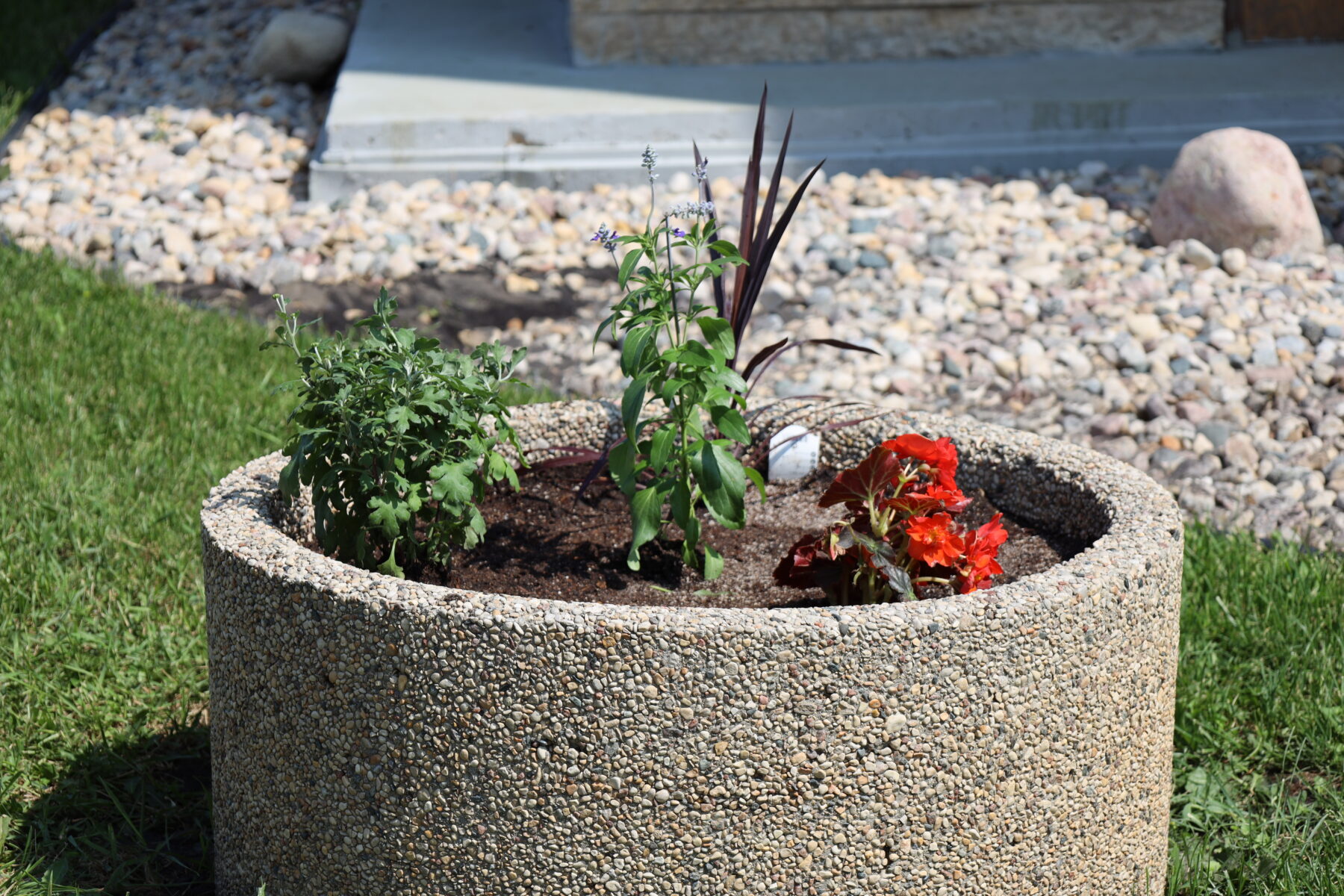
Cast your own concrete planters and you’ll never buy another big-box container again. The material cost is minimal, the process is forgiving, and the result weighs enough to stay put through wind, rain, and freeze-thaw cycles that destroy lighter options. Soil weight, moisture retention, and temperature shifts all place steady outward pressure on planter walls. Lightweight containers often flex under that load, leading to cracking, tipping, or distorted edges after repeated watering cycles. Concrete holds its geometry under these forces, maintaining clean lines and stable volume as conditions change throughout the season. That physical steadiness makes it a practical material for backyard planters expected to remain in place year after year.
Each successful planter begins with material behavior rather than appearance. Wall thickness, internal density, and moisture movement all influence how the finished piece responds once filled with soil. Ready-mix concrete supports that behavior by delivering a uniform blend that sets and cures consistently from batch to batch. For backyard projects, this consistency narrows the margin for error and keeps placement predictable from start to finish.
Planning the Form and Base Conditions
Wet soil exerts lateral pressure the moment a planter is filled, with forces increasing after rainfall and freeze-thaw exposure. Thin walls and sharp interior corners concentrate stress at specific points, which often shows up as cracking along edges. Forms with moderate wall thickness distribute pressure more evenly, allowing the concrete mass to absorb movement without localized failure.
The surface beneath the form influences final shape just as much as the form itself. Uneven support causes subtle twisting during early set, locking distortion into the planter before hydration progresses. Setting forms on compacted gravel or a level slab maintains alignment and keeps edges square as the mix gains structure.
Mixing and Placement with Ready-Mix Concrete
Aggregate distribution inside the mix governs how internal forces move through the planter walls. Ready-mix concrete arrives batched to maintain consistent ratios, which stabilizes set timing and reduces variability during placement. That control matters most in DIY settings, where working windows tend to be shorter and environmental exposure less predictable.
As the concrete fills the form, steady consolidation removes trapped air that weakens corners and surface transitions. Light vibration or tapping increases particle contact, tightening internal structure without forcing excess water upward. Overworking the surface draws moisture to the top layer, which can later show scaling or soft spots once exposed to weather.
Managing Moisture During the Cure
Hydration begins immediately after placement and continues well beyond initial set. Rapid surface drying during this phase creates uneven shrinkage, often visible as hairline cracking along edges and corners. Slowing moisture loss keeps internal movement balanced as the concrete gains mass.
Covering the form or maintaining light surface moisture supports consistent curing conditions. This step directly influences how the planter responds to repeated wetting and drying once placed outdoors. Concrete cured under controlled moisture develops tighter pore structure, limiting water intrusion during seasonal exposure.
Drainage and Functional Detailing
Water retained inside a planter increases internal pressure and accelerates surface wear. Drainage openings relieve that pressure while protecting root systems from saturation. Forming these openings during placement preserves internal bonding around the void, avoiding disruption caused by drilling after cure.
Elevating the planter slightly improves airflow beneath the base and reduces constant contact with pooled water. This separation limits moisture concentration along the bottom edge, where deterioration typically begins first.
Surface Finish and Visual Integration
Surface finish influences both appearance and exposure behavior. A lightly troweled surface maintains defined edges while remaining dense enough to resist surface breakdown from repeated watering.
Pigments, exposed aggregates, or textured liners introduce variation without altering internal structure. These elements integrate into the mix itself, preserving wall cohesion while aligning the planter with surrounding hardscape or architectural features.
Placement and Long-Term Use
Once cured, concrete planters respond best to stable placement that avoids uneven loading. Level positioning keeps soil weight distributed evenly across the base and walls. Over time, the planter’s mass resists movement caused by wind, runoff, or routine maintenance.
Seasonal conditions continue to act on the material, but well-placed and properly cured concrete accommodates those forces through gradual, uniform movement. This behavior limits cracking and surface breakdown without ongoing adjustment.
Bringing Backyard Projects Together
DIY concrete planters perform best when material behavior guides every step. Form geometry, consolidation, curing, and drainage all shape how the planter reacts under real backyard conditions. Ready-mix concrete simplifies those variables by delivering a controlled blend that behaves consistently during placement and cure.
For small-scale projects that demand permanence, concrete planters offer a reliable outcome. When physical forces are accounted for early, the finished piece remains stable, functional, and visually grounded through repeated seasonal cycles.