
Designing Coastal Defense Walls with Concrete and Rock Fill
November 11, 2025
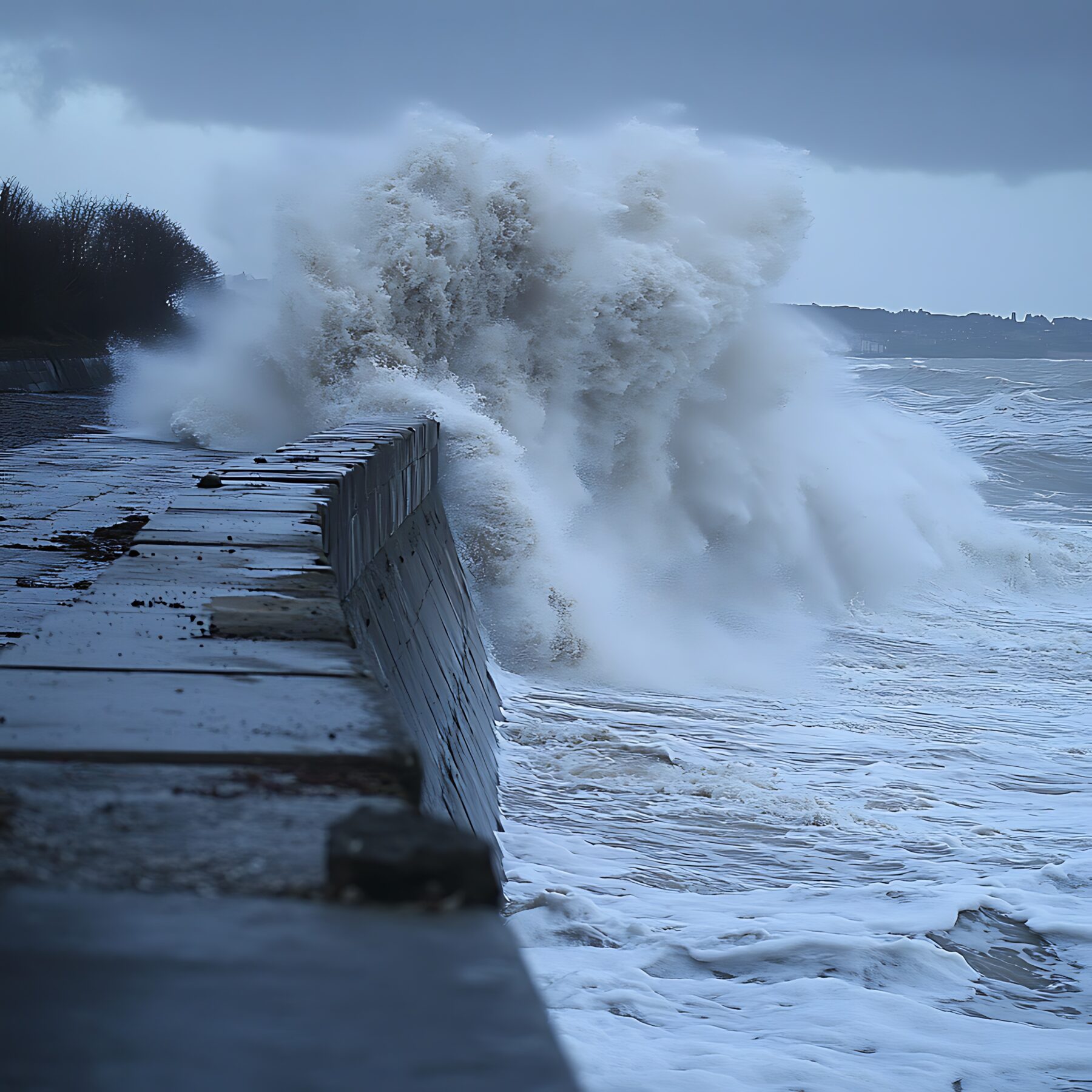
Coastal infrastructure faces the dual challenge of withstanding the relentless force of water while preserving the integrity of the surrounding landscape. Rising tides, powerful waves, and shifting shorelines demand durable, adaptable materials capable of providing long-term protection. Concrete and rock fill have become the foundation of modern coastal defense systems, balancing strength, resilience, and natural integration to safeguard communities and ecosystems along the water’s edge.
Building Stability in Dynamic Environments
The success of any coastal defense structure begins with a stable foundation. Concrete delivers the load-bearing performance required to resist constant hydraulic pressure, while rock fill adds the natural mass and flexibility needed to absorb and dissipate energy. When combined, these materials create layered systems that anchor walls into the terrain, minimizing movement even under severe conditions. Each layer, typically composed of compacted fill and reinforced concrete, works in tandem to distribute stress and reduce the likelihood of structural fatigue over time.
This partnership of engineered precision and natural reinforcement allows the wall to adjust seamlessly with its surroundings. Concrete’s compressive strength anchors the structure, while the interlocking surfaces of rock fill redirect force to maintain balance and stability. Working together, they create a defense system that moves in harmony with the shoreline, preserving both strength and form.
Integrating Function with Environmental Consideration
Modern coastal design combines engineering efficiency with ecological balance, integrating materials and construction methods that harmonize with the natural surroundings. Rock fill, often sourced locally, provides a textured surface that supports marine habitats, allowing vegetation and aquatic life to flourish around the structure. In combination with concrete, this approach transforms hard infrastructure into living systems that strengthen coastlines while maintaining their environmental value.
Engineers also incorporate permeable sections within concrete forms, allowing controlled water flow that relieves pressure during storms and high tides. This design choice maintains wall stability while supporting natural tidal movements, key to sustaining coastal ecosystems. In areas where aesthetics and tourism are priorities, surface treatments and color-integrated concrete blends help the structure blend seamlessly into the landscape without sacrificing durability.
Durability Through Material Engineering
Concrete used in coastal defense must withstand impact, all while resisting corrosion, salinity, and long-term exposure to moisture. Advances in mix design, including the use of supplementary cementitious materials and corrosion-resistant reinforcements, have significantly improved the longevity of marine-grade concrete. These formulations reduce permeability and chemical reactivity, ensuring that walls retain their structural integrity for decades.
Rock fill, selected for density and shape, adds another layer of protection. Angular stones interlock tightly, stabilizing the base and distributing loads evenly. Their resistance to displacement under turbulent water conditions helps reduce maintenance requirements and extends the service life of the entire system. The result is a durable, low-maintenance solution capable of standing firm against the constant rhythm of coastal forces.
Shaping the Future of Coastal Protection
As coastal regions adapt to changing climates, the design of defense structures continues to evolve. Concrete and rock fill remain central to this evolution, offering both adaptability and endurance. Through advancements in material science and sustainable sourcing, these systems are being refined to balance human development with environmental stewardship.
Coastal defense walls built with concrete and rock fill represent more than just barriers; they are engineered landscapes designed for protection, longevity, and harmony with nature. Each project reinforces the principle that durability and sustainability are not competing goals, they are the foundation of resilient coastal design. By combining natural stone and advanced concrete technology, today’s coastal infrastructure stands ready to protect communities while preserving the shorelines that define them.