
The Science of Concrete Strength: How Aggregates Make a Difference
September 30, 2025
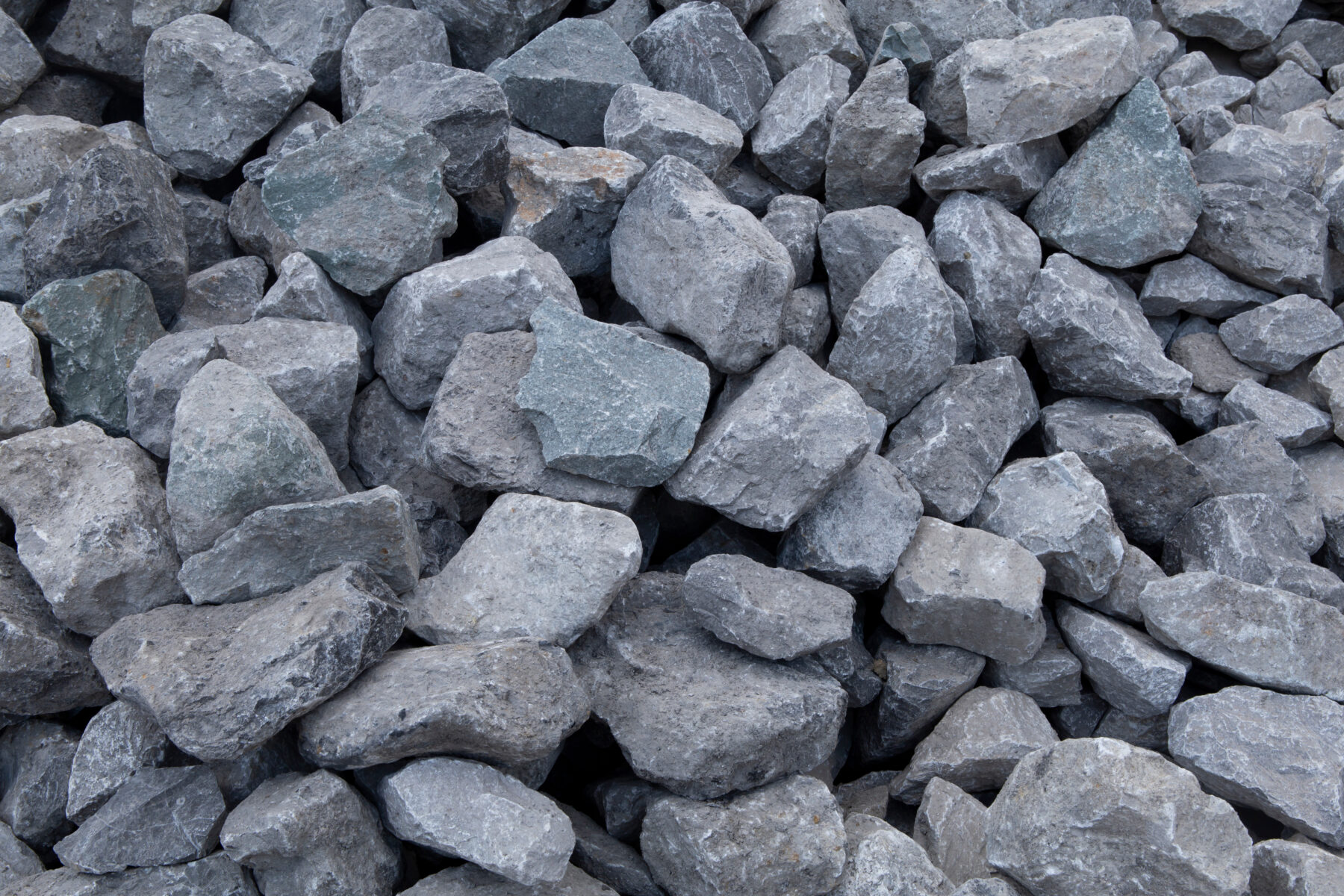
Concrete has long been the backbone of modern construction, shaping everything from sidewalks to towering commercial structures. At the center of its performance lies not just cement and water, but the quality and composition of the aggregates blended into every mix. These granular materials, whether crushed stone, gravel, or sand, are far more than fillers. They define strength, durability, and even the long-term resilience of concrete in demanding environments.
Why Aggregates Matter
Aggregates typically make up about 60 to 75 percent of a concrete mix, which means they influence the end product more than any other ingredient. Their size, shape, and mineral composition directly affect how concrete performs under varying loads, resists cracking, and handles exposure to the elements. Correctly graded aggregates interlock tightly within the cement paste, reducing voids and improving compaction. This translates into stronger, denser concrete that lasts longer under real-world stresses.
The Role of Shape and Size
Not all aggregates perform the same. Angular, crushed stone provides sharper edges that create a firm structure, creating excellent mechanical bonding. Rounded natural gravel, on the other hand, is easier to work with and offers smoother finishes. The right balance depends on project goals. Larger aggregates reduce the amount of cement paste required, boosting economy while also limiting shrinkage. Smaller particles, such as sand, fill the gaps between larger stones, ensuring a uniform structure with fewer weak points.
Gradation and Distribution
Consistency is another key factor. A well-graded mix with a wide range of particle sizes produces concrete with higher density and fewer voids. This distribution minimizes water demand while still allowing for proper workability. Poorly graded aggregates, by contrast, can create a mix that is harder to place and finish. The science lies in striking the right balance, where every particle contributes to the stability and cohesion of the whole.
Durability Against the Elements
Concrete faces constant exposure to moisture, temperature fluctuations, and chemical agents. Aggregates with low absorption rates and high resistance to weathering help extend service life. Certain rock types, like granite or basalt, deliver exceptional durability for heavy-duty applications such as bridges, highways, and industrial flooring. In freeze-thaw regions, high-quality aggregates reduce the risk of internal cracking by limiting water penetration.
Aggregates as Performance Enhancers
Beyond strength and durability, aggregates play a role in specialized concrete applications. Lightweight aggregates create mixes that are easier to handle and reduce structural load in high-rise buildings. Decorative aggregates introduce unique textures and colors for architectural finishes. Recycled aggregates, increasingly adopted in sustainable construction, provide strength while supporting environmentally responsible practices.
The science of concrete strength is, in many ways, the science of aggregates. By selecting the right materials, engineers and contractors influence not only how concrete performs today but also how it endures for decades. From the fine grains of sand to the coarse bulk of crushed stone, each component contributes to a mix designed to meet the exact demands of a project. Stronger, longer-lasting structures are the result of this careful attention to detail, with aggregates serving as the core of concrete’s remarkable performance.